Trademark Registration (TM)
Trademarks legally protect unique symbols or names that distinguish one company’s products or services from another’s in the marketplace.
- No Hidden Charges
- Lowest Price Guarantee
No Hidden Charges
Lowest Price Guarantee
Posted onTrustindex verifies that the original source of the review is Google. Audit Tick streamlined our company registration seamlessly. Their team was efficient, knowledgeable, and extremely helpful throughout the process. Highly recommended for quick and reliable service!Posted onTrustindex verifies that the original source of the review is Google. Knowledgeable staff I never metPosted onTrustindex verifies that the original source of the review is Google. awesome audit work with audit tickPosted onTrustindex verifies that the original source of the review is Google. Good workPosted onTrustindex verifies that the original source of the review is Google. Working skills awesomePosted onTrustindex verifies that the original source of the review is Google. Work is goodPosted onTrustindex verifies that the original source of the review is Google. Nice experience with audit tick for It returns fillingPosted onTrustindex verifies that the original source of the review is Google. SuperrrrbPosted onTrustindex verifies that the original source of the review is Google. Excellent audit filling with audit tickPosted onTrustindex verifies that the original source of the review is Google. Iam fully satisfied with Audit tick, superrrrb
- Home
- Get Started
- Trademark Registration
Four Steps to Get Your TM Registration
Fill the Form
Provide business details
Add to cart
Pay the required fee online
Submit Documents
Upload required papers
Certificate delivery
Official Document Delivery
Overview of Trademark registration
Trademark registration in India provides legal protection for distinctive signs, symbols, logos, or names used to identify goods or services. The process involves filing an application with the Trademark Registry, which examines the mark for uniqueness and potential conflicts with existing trademarks. Once accepted, the mark is published in the Trademark Journal, allowing for objections. If no objections are raised, the trademark is registered and grants the owner exclusive rights to use the mark.
Registered trademarks safeguard against unauthorized use, enhancing brand value and consumer trust. The registration is valid for ten years and can be renewed indefinitely. This legal framework not only helps in protecting intellectual property but also promotes fair trade practices and encourages investment in brand development.

What is a Trademark
A trademark is a unique name, logo, symbol, slogan, or design that distinguishes your business, product, or service from competitors. It legally protects your brand identity and prevents others from using a similar name or logo.
Trademark Examples:
Brand Names: Tata, Google, Amazon
Logos: Apple’s apple, Nike’s swoosh
Slogans: “Just Do It” (Nike), “I’m Lovin’ It” (McDonald’s)
Product Packaging: Coca-Cola bottle shape, Toblerone chocolate shape
Why it matters? A registered trademark gives you exclusive rights to use your brand name and take legal action against copycats.
Why Trademark Registration is Essential
Trademark registration is not just an option—it’s a necessity for any business that wants to protect its brand and reputation.
Exclusive Legal Rights
Only you can use the trademark.
Protection from Copycats
Stops competitors from using a similar name or logo.
Stronger Brand Recognition
Increases customer trust and business credibility.
Competitive Edge
Prevents market confusion and brand dilution.
Increases Business Value
Trademarks are assets that can be sold, franchised, or licensed.
Example: If someone tries to sell shoes under the name “Adibas“, Adidas can sue them for infringement because of their registered trademark.
Types of Trademarks in India
Trademarks are classified based on their characteristics and usage. Here are the key types
| Type of Trademark | Description | Example |
|---|---|---|
| Word Marks | Text-based names, letters, or numbers. | Google, Tata |
| Device Marks (Logos) | Visual symbols or designs that represent a brand. | Nike’s swoosh, Starbucks logo |
| Service Marks | Used by businesses offering services rather than products. | Netflix, Zomato |
| Collective Marks | Used by a group or association to indicate membership. | CA (Chartered Accountant) logo |
| Certification Marks | Indicates products meet certain quality standards. | ISI Mark, Organic Certification |
| Shape Marks | Unique product shapes that identify a brand. | Coca-Cola bottle, Toblerone chocolate |
| Pattern Marks | Specific patterns associated with a brand. | Burberry checkered pattern |
| Sound Marks | Distinctive sounds used as brand identity. | Nokia ringtone, MGM lion roar |
| Colour Marks | A specific colour or combination of colours representing a brand. | Tiffany blue colour |
| Three-Dimensional (3D) Marks | Trademarks that include a 3D shape. | Lego bricks, KitKat bar shape |
Tip: Choose a distinctive and creative trademark for better legal protection.
Need to Update
Need to Update
Documents Required for Trademark Registration
Before applying, ensure you have the following documents ready
| Applicant Type | Required Documents |
|---|---|
| Individuals & Sole Proprietors | PAN Card, Aadhaar Card, Address Proof, Logo/Trademark, Business Registration Proof (if applicable) |
| Partnership Firms & LLPs | Partnership Deed or Incorporation Certificate, Logo/Trademark, Partner ID Proofs, Board Resolution |
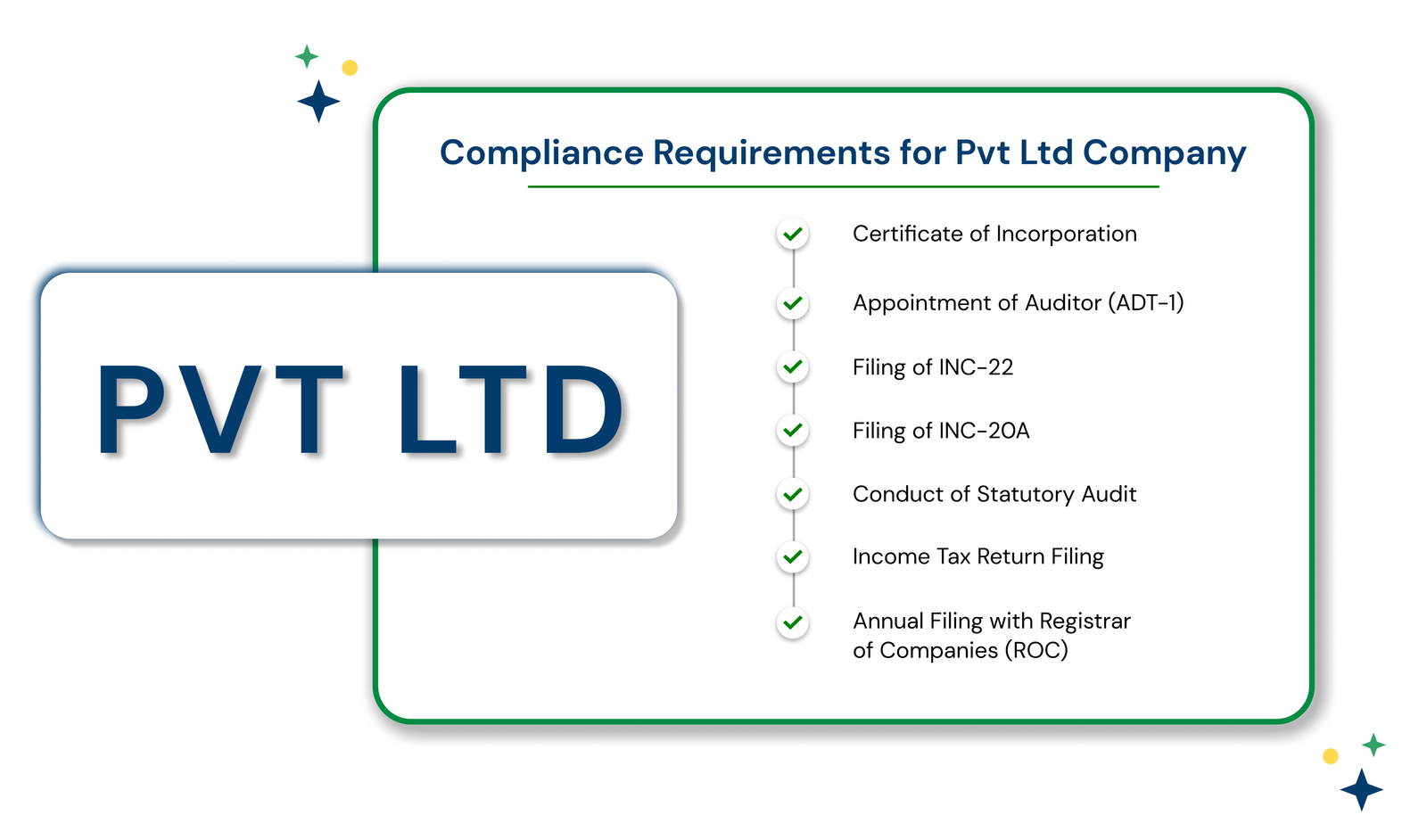
| Private Limited Companies | Company Incorporation Certificate, PAN Card, Logo/Trademark, Board Resolution, Business Registration Proof |
| Trusts & Societies | Registration Certificate, ID Proofs, Business Details, Logo/Trademark |
Note: Ensure all documents are clear, updated, and properly formatted to avoid delays.
Process for Trademark Registration
Follow these simple steps to apply for Trademark Registration

- Check the availability of your trademark using the IP India Website.
- Ensure no similar trademarks exist to avoid rejection.
- Choose the appropriate Trademark Class based on your business type.
- Example: Class 25 (Clothing), Class 30 (Food Products), Class 41 (Education).
- Submit your trademark application online or at the trademark office.
- Receive an application number (allows you to use the ™ symbol).
- A Trademark Officer reviews your application.
- If no issues, the trademark is published in the Trademark Journal.
- If objected, you may need to submit clarifications or attend a hearing.
- If no one opposes within 90 days, your trademark moves to final approval.
- If opposed, you must present your case before the Trademark Hearing Officer.
- If no objections remain, you receive the Trademark Registration Certificate.
- Now you can legally use the ® symbol with your brand.
Tip: Even if the process takes months, you can start using ™ from the day you file your application.
Trademark Validity & Renewal
Need to Update
✅ Trademark Validity: 10 years (Renewable indefinitely).
✅ Renewal Period: Apply 1 year before expiry or within 6 months after expiry (with late fees).
Failure to renew can result in the cancellation of your trademark.
Trademark vs. Patent vs. Copyright
Need to Update
| Feature | Trademark | Patent | Copyright |
|---|---|---|---|
| What it Protects | Brand names, logos, slogans | Inventions, new technology, industrial processes | Creative works (books, music, films, paintings) |
| Example | Nike logo, Amazon brand name | iPhone technology, electric cars | Movies, novels, software code |
| Validity | 10 years (renewable) | 20 years (non-renewable) | Lifetime of creator + 60 years |
Tip: Trademarks protect brands, Patents protect inventions, and Copyrights protect creative works.
Why Trademark Registration is Crucial
A trademark is more than just a symbol or logo; it’s a vital asset that represents your brand identity and distinguishes your products or services from competitors. Trademark registration provides several key benefits:
Legal Protection: Registration offers exclusive rights to use the trademark, protecting it from infringement.
Brand Recognition: A registered trademark enhances brand visibility and consumer trust.
Market Advantage: It helps prevent competitors from using similar marks and diluting your brand.
Asset Value: A registered trademark can be a valuable business asset and may be licensed or sold.

Types of Trademarks
Trademark registration can be categorized into several types based on the nature and characteristics of the mark, as well as the goods or services it represents. Here are the key types:
Word Marks
Device Marks (or Logo Marks)
Service Marks
Collective Marks
Certification Marks
Shape Marks
Pattern Marks
Sound Marks
Color Marks
Three-Dimensional Marks

Word Marks
These are standard character marks consisting of words, letters, numbers, or a combination of these. They don't contain any design element. For example, brand names in a specific text style.
Device Marks (or Logo Marks)
These involve graphical elements, symbols, or logos used to distinguish goods or services. They may or may not contain words.

Service Marks
Similar to trademarks, but specifically used to identify and distinguish services rather than products. For example, the names or logos of service providers.

Collective Marks
Owned by organizations (such as associations) and used by their members to indicate membership in the group, which signifies a certain level of quality or accuracy.

Color Marks
A trademark where a particular color or combination of colors is registered as a distinguishing feature.

Shape Marks
Trademarks where the key distinctive feature is the shape of the product or its packaging.

Pattern Marks
These are trademarks where a specific and distinctive pattern is the unique feature.

Sound Marks
Marks that are distinctive sounds associated with a product or service. The sound should be distinctive and graphically representable.

Certification Marks
These indicate that the goods or services on which they are used comply with a set of standards or are of a certain quality, material, mode of manufacture, or performance. Certification marks are not indicative of origin but rather of compliance with standards.

Three-Dimensional Marks
Trademarks that consist of a 3D shape and are used to identify the origin of goods or services.
Trademark Symbol
The two symbols associated with a trademark:
™ (the trademark symbol)
® (the registered trademark symbol)
Represent the status of a mark and its level of protection. With any common law usage of a mark, the trademark symbol can be used, and the symbol of a registered trademark is used only by the owner of a mark.
Who can Apply for Trademark Registration?

Individuals

Businesses

Foreign Entities

Joint Applicants
Documents required for Trademark Registration
Applicant Type | Required Documents |
For Individuals & Sole Proprietorship |
|
For Partnership Firms, LLPs & Companies |
|
Others (Trusts, Societies, etc.) |
|
Trademark Registration Process
• Necessity: Before applying, it’s essential to conduct a trademark search to check for the availability of the desired trademark.
• Purpose: This search helps identify any identical or similar trademarks already filed with the trademark registry.
• Advantage: Entrepreneurs can create a unique brand name by combining generic terms or inventing new words.
• Process: After conducting a trademark search, an application for registration is filed with the Trademark Registrar. This can be done either in person or online at one of the five Trademark Registrar Offices in the state.
• Application Allotment Number: Post-filing, an allotment number is issued within two to three days.
• Tracking: The trademark application status can be tracked online using the Online Trademark Search Tool.
• Use of TM Symbol: Post receiving the allotment number, the Trademark owner can use the TM symbol next to their logo.
Assignment: If the trademark contains logos or symbolic elements, the Indian Trademarks Registry assigns a Vienna code post-application.
- Procedure: The application is assigned to a Trademark Officer who checks for accuracy and issues an examination report.
- Acceptance or Objection: The Trademark Officer may either accept the application for journal publication or object to it.
- Addressing Objections: If objected, the applicant can present their case to the Trademark Officer. If satisfied, the officer allows publication in the Trademark Journal. If not, the decision can be appealed to the Intellectual Property Appellate Board.
• Procedure: Accepted trademarks are published in the weekly Trademark Journal.
• Public Objection Period: The public has 90 days to object to the trademark registration.
• Registration: If no objections are filed, the trademark is usually registered within a month after the 90-day period.
• Hearing: In case of objections, a hearing is arranged where both parties can present their cases.
• Decision: The Trademark Hearing Officer decides whether to accept or reject the application, based on the hearings and evidence. This decision can also be appealed to the Intellectual Property Appellate Board.
• Issuance of Certificate: A trademark certificate is issued if no objections are filed within four months of publication, or if a hearing decision is in the applicant’s favor.
• Completion: The registration process completes within a month of these conditions being met, and the applicant can then use the “R” symbol with their brand or logo.
• Certificate Retrieval: The certificate is available online through the trademark site by entering the application number; physical copies are not provided.
Post Registration Compliances of trademark registration
Trademarks need to be renewed periodically (typically every 10 years) to maintain their validity. It’s important to set reminders and keep a renewal calendar, and possibly work with a trademark attorney to ensure timely renewal applications are filed.
Once your trademark is registered, you should start using the ® symbol instead of the ™ symbol. This indicates that your trademark is registered and offers legal protection. Using the ® symbol is not just a best practice but also often a legal requirement in many jurisdictions.
It’s crucial for a brand to regularly monitor new trademark filings. This can be done by conducting searches in the trademark office database, using trademark watch services, keeping an eye on competitors, reviewing industry publications, and consulting with a trademark attorney.
This practice helps in identifying any potential conflicts with the existing trademark and taking appropriate legal actions to protect trademark rights.
Differences
Tabular comparison of trademarks, patents, and copyrights
Tabular comparison explaining the differences between trademark, patent, and copyright:
Frequently Asked Questions
How long does it take to register a trademark?
6 months to 2 years, depending on objections and approvals.
Can I use my trademark before registration?
Yes, after applying, you can use ™. Use ® only after full registration.
What if someone opposes my trademark?
You must defend your case with legal arguments before the Trademark Officer.
Which Trademarks cannot be registered?
In the following cases, a trademark cannot be registered.
⦁ Any mark identical or similar to an existing registered trademark or
⦁ Trademark for which an application has been made cannot be registered.
⦁ Also, effects that would likely cause deception or confusion or are offensive may not be reported.
⦁ Geographical names, common names, common trade words, and common abbreviations can also not be registered as trademarks.
What are the precautions to be taken by the proprietor of a registered trademark to protect his rights?
⦁ The proprietor should use and renew the Trademark regularly and on time.
⦁ If others misuse the Trademark, he should file a suit for infringement and passing and take criminal action.
⦁ The proprietor should keep a watch regarding trademarks published in the Trademarks Journal and institute opposition proceedings if identical or deceptively similar trademarks exist.
When can use the TM or SM symbols?
⦁ The "TM" and "SM" designations are usually used as superscripts or subscripts after service marks and trademarks to inform the public that rights in the mark are being claimed.
⦁ These symbols may be used as soon as the mark is in use without any registration of the mark.
How are Trademark Rights established?
Trademark rights are established through either.
(1) "Actual use" of the mark, or
(2) The filing with a bona fide "intent to use" the mark in commerce.
When can I use the ® symbol?
⦁ The ® designation indicates that the mark is registered as a Trademark.
⦁ This symbol should not be used until a registration certificate has been issued on the mark.
Is trademark application valid all over the world?
No, a trademark registered in India is not valid worldwide.
What is the validity of a trademark?
A trademark is valid for 10 years from the date of filing. The owner of the Trademark can renew before the validity of the Trademark expires.
What happens when the trademark application gets refused?
If the trademark examiner sends a hearing notice to the applicant and if there is no response to the hearing notice within 30 days of receipt, then the application is automatically refused. In such a case, a new application needs to be filed.
What is the function of a Trademark?
⦁ The Trademark Identifies the goods or services and their origin and guarantees their unchanged quality.
⦁ The Trademark guarantees its unchanged quality. Trademark registration creates a brand identity or the images for the goods and services.