Non-Banking Financial Company (NBFC) Registration Online in India
Start a company that acts like a bank, lending money and offering financial services, but isn’t a full bank.
- No Hidden Charges
- Lowest Price Guarantee
No Hidden Charges
Lowest Price Guarantee
Posted onTrustindex verifies that the original source of the review is Google. Audit Tick streamlined our company registration seamlessly. Their team was efficient, knowledgeable, and extremely helpful throughout the process. Highly recommended for quick and reliable service!Posted onTrustindex verifies that the original source of the review is Google. Knowledgeable staff I never metPosted onTrustindex verifies that the original source of the review is Google. awesome audit work with audit tickPosted onTrustindex verifies that the original source of the review is Google. Good workPosted onTrustindex verifies that the original source of the review is Google. Working skills awesomePosted onTrustindex verifies that the original source of the review is Google. Work is goodPosted onTrustindex verifies that the original source of the review is Google. Nice experience with audit tick for It returns fillingPosted onTrustindex verifies that the original source of the review is Google. SuperrrrbPosted onTrustindex verifies that the original source of the review is Google. Excellent audit filling with audit tickPosted onTrustindex verifies that the original source of the review is Google. Iam fully satisfied with Audit tick, superrrrb
- Home
- Get Started
- NBFC Company
Four Steps to Get Your Incorporation Certificate
Fill the Form
Provide business details
Add to cart
Pay the required fee online
Submit Documents
Upload required papers
Certificate delivery
Official Document Delivery
Find the best plan for your needs
Overview
A Non-Banking Financial Company (NBFC) is a financial institution that provides banking-like services without holding a banking license. Unlike traditional banks, NBFCs cannot accept demand deposits but play a crucial role in offering loans, credit facilities, wealth management, and investment advisory services.
If you’re planning to start an NBFC in India, understanding the formation process, legal requirements, and compliance is essential. This guide will help you navigate the NBFC incorporation process in an easy-to-understand manner.
Why Start an NBFC
NBFCs are gaining popularity due to their ability to offer flexible financial solutions, quick loan approvals, and innovative services that traditional banks may not provide. Some key advantages include
Growing Demand
Increased financial inclusion and credit demand in India.
Less Stringent Regulations
Compared to traditional banks, NBFCs have a simpler regulatory structure.
High-Profit Potential
Lucrative business opportunities in lending, microfinance, and investment services.
Diverse Business Models
You can specialize in housing finance, microfinance, leasing, or investment.
Need to Update
Types of NBFCs in India
NBFCs are categorized based on their activities and regulatory framework. The major types include
Process of NBFC Formation in India
Need to Update

Before applying for an NBFC license, you must incorporate a Private Limited or Public Limited Company under the Companies Act, 2013.
- Minimum Requirements:
- Private Ltd Co.: Minimum ₹2 crore net owned funds (₹5 crore for MFIs).
- Public Ltd Co.: Higher capital may be required based on business needs.
- Minimum two directors (for Pvt Ltd) or three directors (for Public Ltd).
- At least one director must have finance/banking experience.
- Documents Required:
- PAN Card of Directors & Shareholders
- Aadhar Card/Voter ID/Passport for Address Proof
- Bank Statement as Address Proof
- Company’s MOA (Memorandum of Association) & AOA (Articles of Association)
- Registered Office Proof (Rent Agreement, Utility Bill, NOC from Landlord)
As per RBI regulations, the NBFC must have a minimum Net Owned Fund (NOF) of ₹2 crore before applying for the license. This capital must be maintained in a bank account under the company’s name.
You need to open a separate bank account in the company’s name and deposit the required capital.
To obtain an NBFC license from RBI, submit an online application through the RBI’s COSMOS Portal and then send a hard copy of documents to RBI’s regional office.
- Documents Required for RBI NBFC License:
- Board Resolution approving NBFC formation
- Business Plan for at least 5 years
- Net Worth Certificate from CA
- Banker’s Report
- Audited financial statements (if applicable)
- Directors’ Credit Report and KYC documents
RBI thoroughly reviews the financial stability, credibility, and business plan before granting the NBFC registration certificate. This process may take 3-6 months.
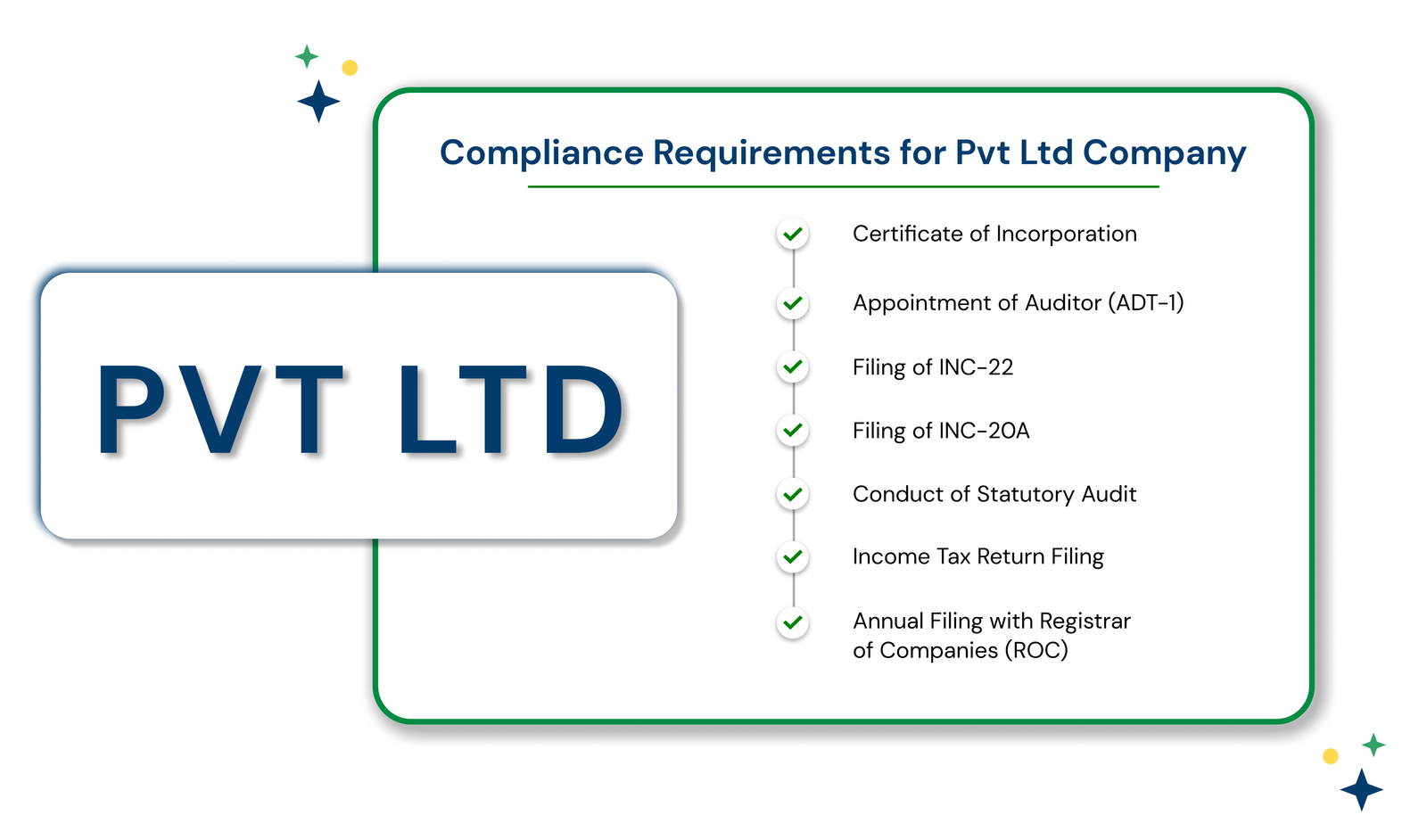
Once registered, the NBFC must comply with RBI guidelines, including:
- Periodic RBI Returns & Filings
- Statutory Audit & Annual Reports
- Fair Lending Practices & Customer Protection Policies
- Appointment of Auditors
Note: Need to Update
Compliance & Regulatory Requirements for NBFCs
After incorporation, every NBFC must adhere to various legal and compliance obligations
Cost & Timeline for NBFC Registration
Need to Update
Total estimated cost: ₹2.5 – ₹3 crore (including capital).
Need to Update
Need to Update
Frequently Asked Questions
What is a Microfinance Company?
A Microfinance Company provides small loans, savings, and other basic financial services to low-income clients who do not have access to traditional financial services.
Who needs How does a Microfinance Company differ from traditional banks?a DPIN?
Unlike traditional banks, microfinance companies typically provide services to underserved populations, offer smaller loan sizes, and require less stringent collateral requirements.
Who can start a Microfinance Company in India?
Any legally registered entity (like a private company, public company, or LLP) meeting the Reserve Bank of India's (RBI) criteria can start a microfinance business.
What are the benefits of starting a Microfinance Company?
Benefits include serving a large untapped market, fulfilling corporate social responsibility, potential for high returns on small loans, and contributing to the economic development of underserved regions.
What are the regulatory requirements for starting a Microfinance Company in India?
In India, microfinance companies are primarily regulated by the RBI and must comply with specific financial and operational guidelines, including minimum net-owned funds and fair practices in lending.
What is the process to register a Microfinance Company in India?
The process includes registering the company with the Ministry of Corporate Affairs (MCA), obtaining necessary approvals from the RBI, and meeting the prescribed financial requirements.
What are the typical interest rates charged by Microfinance Companies?
Interest rates can vary, but they are generally higher than traditional banks due to the higher risk associated with unsecured loans and the smaller loan amounts, yet they are capped by regulations to prevent usury.
Can Microfinance Companies accept deposits?
Non-Banking Financial Company (NBFC) Microfinance Institutions can accept deposits only if they are registered as NBFCs with authorization from the RBI to collect deposits.
What are the challenges faced by Microfinance Companies?
Challenges include high operational costs, risk of default on unsecured loans, regulatory changes, and the need for continuous funding and liquidity management.
How can a Microfinance Company mitigate risks associated with lending?
Risk mitigation strategies include diversifying the loan portfolio, employing robust credit assessment practices, providing financial literacy training to borrowers, and implementing effective collection practices.