Convert Partnership Firm to Private Limited Company
Need to Update
- No Hidden Charges
- Lowest Price Guarantee
No Hidden Charges
Lowest Price Guarantee
Posted onTrustindex verifies that the original source of the review is Google. Audit Tick streamlined our company registration seamlessly. Their team was efficient, knowledgeable, and extremely helpful throughout the process. Highly recommended for quick and reliable service!Posted onTrustindex verifies that the original source of the review is Google. Knowledgeable staff I never metPosted onTrustindex verifies that the original source of the review is Google. awesome audit work with audit tickPosted onTrustindex verifies that the original source of the review is Google. Good workPosted onTrustindex verifies that the original source of the review is Google. Working skills awesomePosted onTrustindex verifies that the original source of the review is Google. Work is goodPosted onTrustindex verifies that the original source of the review is Google. Nice experience with audit tick for It returns fillingPosted onTrustindex verifies that the original source of the review is Google. SuperrrrbPosted onTrustindex verifies that the original source of the review is Google. Excellent audit filling with audit tickPosted onTrustindex verifies that the original source of the review is Google. Iam fully satisfied with Audit tick, superrrrb
- Home
- Compliance & Accounting
- Convert Partnership to Pvt Ltd
Four Steps to Get Your Incorporation Certificate
Fill the Form
Provide business details
Add to cart
Pay the required fee online
Submit Documents
Upload required papers
Certificate delivery
Official Document Delivery
Find the best plan for your needs
Overview
Converting a Partnership Firm into a Private Limited Company is a crucial step towards business growth, offering benefits such as limited liability, separate legal identity, easier access to funding, and better credibility. This conversion is regulated by the Companies Act, 2013, and the Indian Partnership Act, 1932, requiring approval from the Ministry of Corporate Affairs (MCA) and compliance with the Registrar of Companies (ROC).
With the latest updates in 2024, the process has become faster and more structured through SPICe+ (INC-32) forms, reducing paperwork and streamlining approvals. Typically, the entire process takes 30 to 45 days, depending on regulatory clearances and documentation accuracy.
Benefits of Converting to a Private Limited Company?
Need to Update
Limited Liability Protection
Protects owners from personal liability for business debts.
Separate Legal Entity
The company exists independently of its owners.
Easier Fundraising
Eligible to raise funds through equity, venture capital, and loans.
Better Market Recognition & Trust
Enhances credibility among investors, banks, and customers.
Perpetual Succession
The company continues to exist regardless of ownership changes.
Tax Benefits & Legal Compliance
Structured taxation and regulatory advantages over partnerships.
Eligibility Criteria for Conversion
To convert a Partnership Firm into a Private Limited Company, the following conditions must be met

Minimum of 2 Directors

Minimum of 2 Shareholders (Partners can become Shareholders)

DIN (Director Identification Number) & DSC (Digital Signature Certificate) for Directors

Consent of All Existing Partners
Registered Partnership Firm under the Indian Partnership Act
Documents Required for Conversion
Need to Update
Partnership Deed (Original & Updated for Transfer)
PAN & Aadhaar of Directors & Shareholders
Consent Letter from All Partners for Conversion
No Objection Certificate (NOC) from Creditors (if applicable)
MoA & AoA (Memorandum & Articles of Association)
Declaration from Directors confirming compliance with Companies Act, 2013
Registered Office Address Proof (Electricity Bill, Rental Agreement, NOC from Owner)
Process for Conversion
Need to Update

- Get written consent from all partners agreeing to convert the firm into a Private Limited Company.
- Pass a Board Resolution to approve the transition.
- Submit an application for name reservation through the RUN (Reserve Unique Name) portal of MCA.
- The name must follow Companies Act, 2013 guidelines and include “Private Limited”.
- Draft and file Form SPICe+ (INC-32) along with:
- Memorandum of Association (MoA) & Articles of Association (AoA)
- Copy of Existing Partnership Deed (Original & Updated)
- No Objection Certificate (NOC) from Existing Partners
- PAN & Aadhaar of Directors & Shareholders
- Registered Office Proof (Utility Bill, Rental Agreement, NOC from Owner)
- Apply for new PAN & TAN for the company.
- Register for GST & other tax laws if required.
- The Registrar of Companies (ROC) verifies the submitted documents.
- Once approved, the ROC issues a Fresh Certificate of Incorporation, confirming the firm’s conversion into a Private Limited Company.
- Update Bank Accounts, Tax Registrations, Business Licenses, and Agreements.
- Maintain statutory registers, comply with annual ROC filings, and conduct board meetings as per Companies Act, 2013.
- Transfer assets, liabilities, and contracts from the partnership firm to the new Private Limited Company.
Note: Need to Update
Frequently Asked Questions
What is a Private Limited Company?
A Private Limited Company is a business entity legally separate from its owners, offering limited liability to its shareholders and restrictions on shareholder number to 200, which cannot be offered publicly.
Why convert a partnership to a Private Limited Company?
Conversion is often considered for better access to funding, limited liability protection for its owners, perpetual existence, and an enhanced professional image which may attract more business opportunities.
What are the legal steps to convert a partnership to a Pvt Ltd?
The process includes obtaining consent from all partners, preparing a detailed asset and liability statement, incorporating the Private Limited Company, transferring assets and liabilities, and winding up the partnership.
What documents are needed for the conversion?
Necessary documents generally include the partnership deed, consent of all partners, incorporation documents of the Private Limited Company (like MoA and AoA), and other statutory declarations.
How long does the conversion process take?
The duration of the process can vary widely but generally takes several months, depending on the complexity of the business and the efficiency of the registration process.
What happens to the assets and liabilities of the partnership?
All assets and liabilities of the partnership are typically transferred to the newly formed Private Limited Company. This transfer should be executed under the guidance of legal and financial professionals to ensure compliance and accuracy.
Are there any tax implications during the conversion?
Yes, the transfer of assets and liabilities might have tax implications, including potential capital gains tax. It's advisable to consult with a tax advisor to understand and plan for these implications.
Can the new Pvt Ltd retain the partnership's business name?
Yes, the new company can retain the partnership's business name, provided it is available and approved by the Registrar of Companies.
What are the compliance differences between a partnership and a Pvt Ltd?
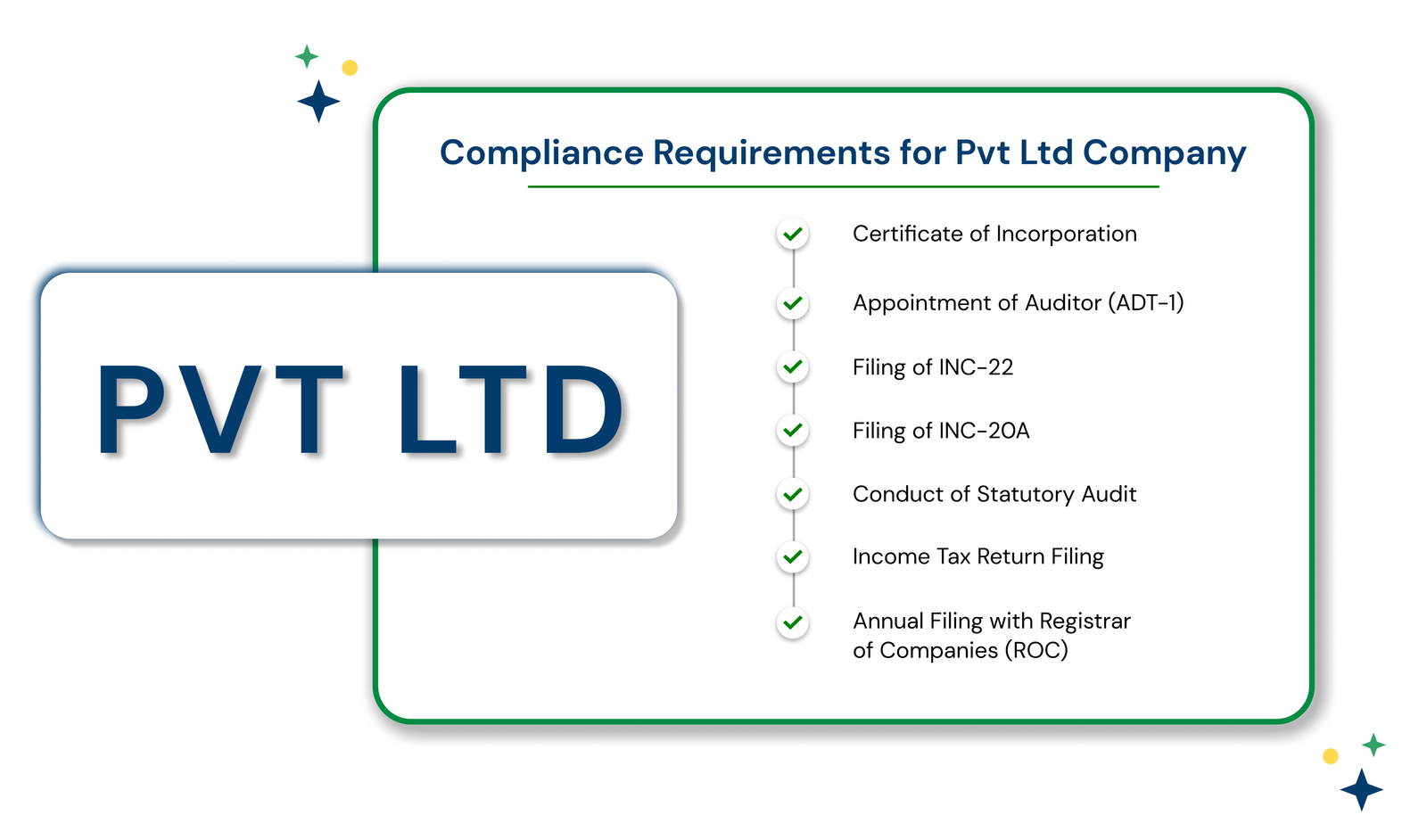
A Private Limited Company faces stricter regulatory and compliance requirements, including mandatory annual audits, regular filings with the Registrar of Companies, and greater transparency and accountability standards.
What should partners consider before deciding to convert?
Partners should consider the increased regulatory and compliance burdens, potential tax liabilities, the cost of conversion, and whether the benefits of operating as a Private Limited Company align with their long-term business goals.