Convert Active Company to Dormant Company – Complete Guide (As per Companies Act, 2013)
Need to Update
- No Hidden Charges
- Lowest Price Guarantee
No Hidden Charges
Lowest Price Guarantee
Posted onTrustindex verifies that the original source of the review is Google. Audit Tick streamlined our company registration seamlessly. Their team was efficient, knowledgeable, and extremely helpful throughout the process. Highly recommended for quick and reliable service!Posted onTrustindex verifies that the original source of the review is Google. Knowledgeable staff I never metPosted onTrustindex verifies that the original source of the review is Google. awesome audit work with audit tickPosted onTrustindex verifies that the original source of the review is Google. Good workPosted onTrustindex verifies that the original source of the review is Google. Working skills awesomePosted onTrustindex verifies that the original source of the review is Google. Work is goodPosted onTrustindex verifies that the original source of the review is Google. Nice experience with audit tick for It returns fillingPosted onTrustindex verifies that the original source of the review is Google. SuperrrrbPosted onTrustindex verifies that the original source of the review is Google. Excellent audit filling with audit tickPosted onTrustindex verifies that the original source of the review is Google. Iam fully satisfied with Audit tick, superrrrb
- Home
- Compliance & Accounting
- Dormant to Active Company
Four Steps to Get Your Incorporation Certificate
Fill the Form
Provide business details
Add to cart
Pay the required fee online
Submit Documents
Upload required papers
Certificate delivery
Official Document Delivery
Find the best plan for your needs
Overview
A Dormant Company is a registered company that is not actively doing business but still wants to maintain its legal existence. Instead of shutting down completely, a company can apply for dormant status under Section 455 of the Companies Act, 2013.
This helps businesses save costs, protect assets, and avoid compliance burdens until they are ready to resume operations.
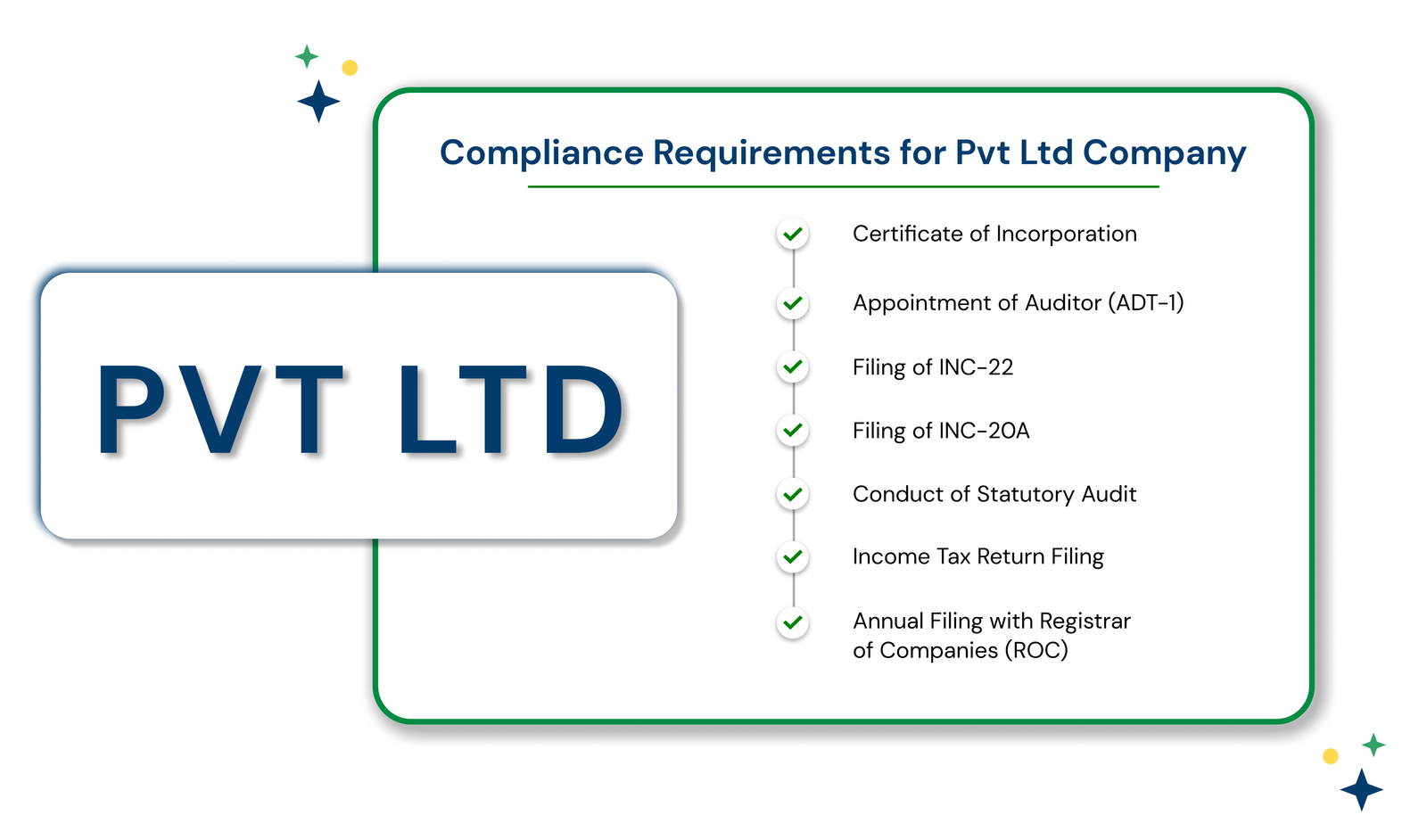
Benefits of Converting to a Active Company?
Need to Update
Save Compliance Costs
No need to file detailed annual reports, audits, or tax filings like active companies.
Legal Protection
Keeps the company registered and prevents anyone else from using its name.
Easier to Restart
A dormant company can be reactivated whenever required, unlike a closed company.
Avoid Heavy Penalties
If a company is not operating but still active, it may face fines for non-compliance.
Maintain Assets & Intellectual Property
Instead of going through the long and expensive company closure process, keep the company dormant until needed.
Eligibility Criteria for Conversion
A company can apply for dormant status under Section 455 of the Companies Act, 2013 if

It has not carried out any business transactions in the last two financial years.

It has no ongoing commercial operations (except a few permitted transactions).

It has no outstanding debts, or it has obtained approval from lenders for dormant status.

It has filed all pending ROC and statutory returns.
There are no ongoing legal cases or disputes affecting its status.
Permitted Transactions for Dormant Companies
A Dormant Company can still perform the following activities:
✅ Paying ROC fees and government dues.
✅ Allotting shares to meet compliance.
✅ Paying office rent or basic administrative expenses.
✅ Filing statutory returns.
Compliance Requirements for Dormant Companies
Once converted into a Dormant Company, only minimum compliance is required:
✔ Annual Return Filing – Form MSC-3 (Once a year).
✔ Maintain at least 1 Director for OPCs or 2 Directors for Private Limited Companies.
✔ Ensure timely filings to maintain Dormant Status (Failure may lead to ROC striking off the company).
How to Reactivate a Dormant Company?
✔ When a company wants to restart operations, it must file Form MSC-4 with the ROC.
✔ After verification, the ROC issues a Certificate of Active Status, making the company operational again.
Documents Required for Conversion
Need to Update
Board Resolution & Shareholder Approval Copy
Statement of Affairs & Auditor’s Certificate
Form MSC-1 (Application for Dormant Status)
Declaration of No Liabilities or Business Activity
ROC Compliance Confirmation (No pending dues or filings)
Process for Conversion
Need to Update

- Conduct a Board Meeting and pass a resolution for conversion to Dormant Company.
- Hold a General Meeting and get approval from majority shareholders (Special Resolution required).
- File Form MSC-1 (Application for Dormant Status) with the Registrar of Companies (ROC).
- Attach the following documents:
- Certified Board Resolution & Shareholders’ Resolutions
- Statement of Affairs (Confirming no business transactions)
- Auditor’s Certificate (Confirming no significant transactions)
- Declaration that the company has no pending dues or liabilities
- Certified Board Resolution & Shareholders’ Resolutions
- The ROC will review the application and documents.
- If all conditions are met, the ROC issues a Certificate of Dormancy, confirming the company as Dormant.
Note: Need to Update
Frequently Asked Questions
What is a dormant company?
A dormant company is one that has been registered but has had no significant accounting transactions during the dormant period. It’s recognized as such for regulatory purposes and has minimal financial activity.
Why reactivate a dormant company?
Reactivation may occur when the company plans to resume trading, start new projects, or when the reasons for its dormancy have been resolved or are no longer applicable.
What are the steps to reactivate a dormant company?
To reactivate, the company must file an application with the Registrar of Companies, usually including a form specifically for reactivation (like Form MSC-4 in India), and provide recent financial statements and a statement of compliance.
What documents are needed to bring a dormant company back to active status?
Necessary documents typically include the latest audited financial statements, a board resolution authorizing reactivation, and any other specific documents required by the local corporate regulatory authority.
Is there a fee associated with reactivating a dormant company?
Yes, there is usually a filing fee involved with the submission of the reactivation form and other necessary documents to the Registrar of Companies.
How long does it take to reactivate a dormant company?
The timeframe can vary depending on the jurisdiction, but it generally takes a few weeks from the submission of all required forms and documents until the company is officially active again.
What are the compliance requirements after reactivation?
Once reactivated, the company must comply with all regular statutory filings such as annual returns, financial statements, and any other periodic obligations required by law.
Can a dormant company have any liabilities?
Yes, a dormant company can still have liabilities from before it became dormant, and these must be addressed upon reactivation. It may also accrue minimal liabilities related to maintaining its dormant status.
Are there any risks associated with reactivating a dormant company?
Reactivating a dormant company carries risks such as undiscovered liabilities or compliance issues that were not addressed while it was dormant. It's essential to conduct thorough due diligence and ensure all legal and financial aspects are in order.
Can a company repeatedly switch between dormant and active statuses?
Technically, a company can become dormant and then active multiple times, but frequent changes may be scrutinized by regulatory authorities to ensure compliance with corporate laws and regulations.