Nidhi Company Registration Online in India
Form a company that helps its members save money and borrow from each other at reasonable rates.
- No Hidden Charges
- Lowest Price Guarantee
No Hidden Charges
Lowest Price Guarantee
Posted onTrustindex verifies that the original source of the review is Google. Audit Tick streamlined our company registration seamlessly. Their team was efficient, knowledgeable, and extremely helpful throughout the process. Highly recommended for quick and reliable service!Posted onTrustindex verifies that the original source of the review is Google. Knowledgeable staff I never metPosted onTrustindex verifies that the original source of the review is Google. awesome audit work with audit tickPosted onTrustindex verifies that the original source of the review is Google. Good workPosted onTrustindex verifies that the original source of the review is Google. Working skills awesomePosted onTrustindex verifies that the original source of the review is Google. Work is goodPosted onTrustindex verifies that the original source of the review is Google. Nice experience with audit tick for It returns fillingPosted onTrustindex verifies that the original source of the review is Google. SuperrrrbPosted onTrustindex verifies that the original source of the review is Google. Excellent audit filling with audit tickPosted onTrustindex verifies that the original source of the review is Google. Iam fully satisfied with Audit tick, superrrrb
- Home
- Get Started
- Nidhi Company

Phone : +91 8440844065
Four Steps to Get Your Trust Registration
Fill the Form
Provide business details
Add to cart
Pay the required fee online
Submit Documents
Upload required papers
Certificate delivery
Official Document Delivery
Find the best plan for your needs
Overview of Nidhi Company
A Nidhi Company in India operates under the principles of mutual benefit and is categorized as a type of Non-Banking Financial Company (NBFC) that does not require a license from the Reserve Bank of India (RBI). Its main objective is to encourage the habit of thrift and savings among its members, facilitating deposits and lending activities exclusively among them. This type of company is governed by the provisions of Section 406 of the Companies Act, 2013 and the rules framed by the Central Government.
Membership to a Nidhi Company is limited to individuals, and the funds for the company’s activities are sourced from the contributions of its members. The company’s operations are restricted to its registered members only, focusing on mutual benefit without the complexity of external commercial borrowing. This structure supports community-based financial activities, promoting a localized and personalized approach to savings and lending.

What is a Nidhi Company
A Nidhi Company is a special type of finance company in India that encourages savings among its members. It operates like a small bank but only for its members. These companies accept deposits and provide loans at low interest rates.
Regulated under Section 406 of the Companies Act, 2013, along with the Nidhi Rules, 2014 issued by the Ministry of Corporate Affairs (MCA).
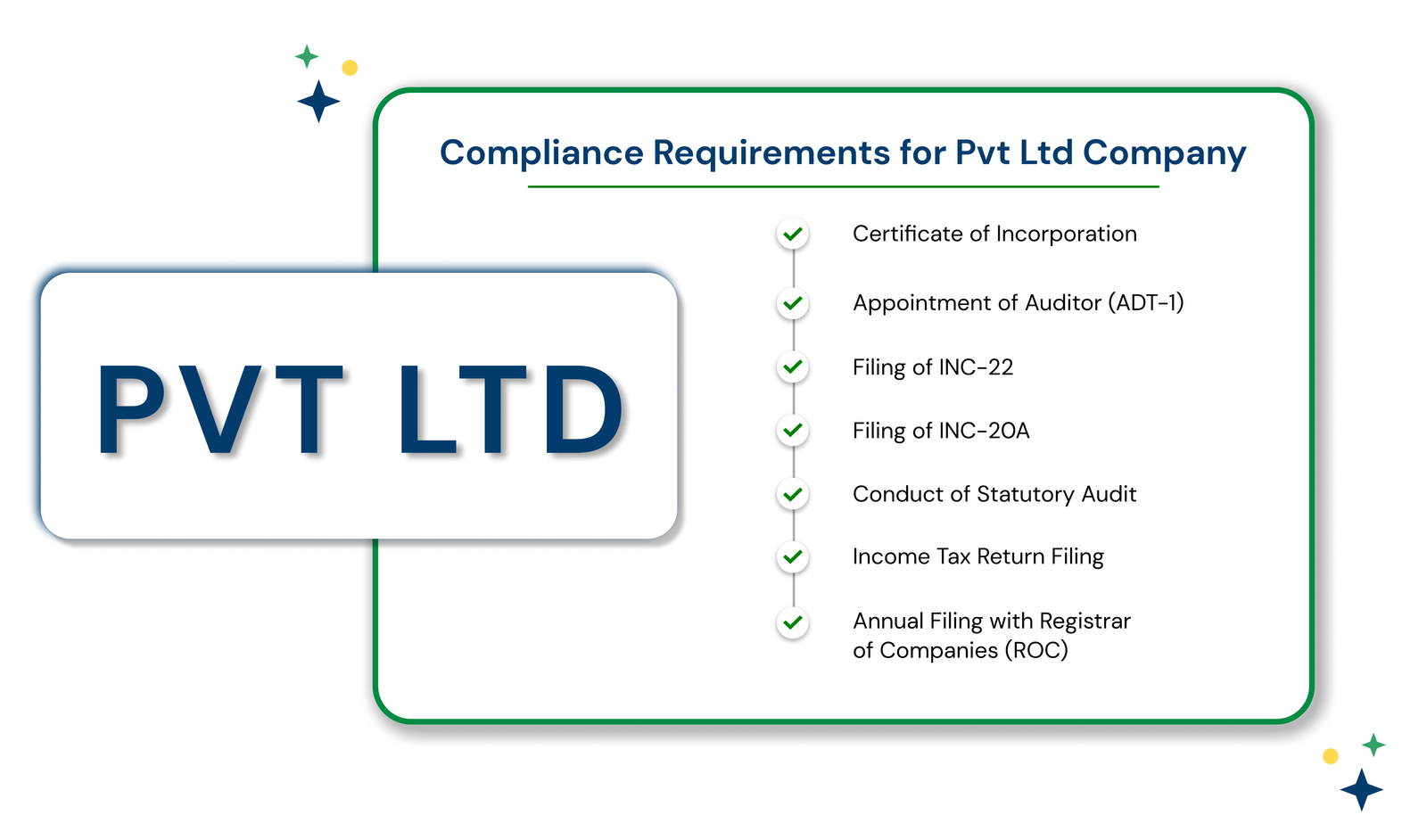
Why Choose a Nidhi Company
Nidhi Companies are ideal for people looking to run a low-risk finance business without the complexities of full-fledged banking regulations. Some of the key benefits include
No RBI License Required
Unlike NBFCs, Nidhi Companies do not need RBI approval.
Encourages Savings
Designed to develop a habit of saving among members.
Easy Fundraising
Members can deposit funds and take loans at lower interest rates.
Limited Liability
The liability of members is limited.
Legal Recognition
It is a legally recognized financial entity.
Key Features of a Nidhi Company
Need to Update
✅ Registered under the Companies Act, 2013 as a Public Limited Company.
✅ Must have “Nidhi Limited” in its name.
✅ Can only accept deposits and lend loans to its members.
✅ Minimum 200 members required within 1 year of incorporation.
✅ Cannot engage in external business such as chit funds, hire-purchase, insurance, or investments.
✅ Limited area of operation – Can only work within a specific district or region.
✅ Regulated by MCA instead of RBI.
Eligibility Criteria to Start a Nidhi Company
Before applying for Nidhi Company incorporation, you must meet the following requirements
Documents for Nidhi Company Registration
To register a Nidhi Company, the following documents are needed
For Directors & Shareholders
For Registered Office
PAN Card (mandatory)
Utility Bill (Electricity Bill/Water Bill)
PAN Card (mandatory)
Rent Agreement (if office is rented)
Passport/Driving License/Voter ID (as address proof)
NOC (No Objection Certificate) from owner
Passport-size photographs
DIN & DSC of Directors
Need to Update
Process to Register a Nidhi Company
Need to Update

All proposed directors must obtain a DSC to digitally sign company documents.
Each director must have a DIN, which can be obtained through the SPICe+ form.
Apply for name approval using the RUN (Reserve Unique Name) facility on the MCA portal.
Submit the incorporation application using the SPICe+ (Simplified Proforma for Incorporating Company Electronically) form, including:
- MOA (Memorandum of Association)
- AOA (Articles of Association)
- Details of directors and shareholders
After verification, the Registrar of Companies (ROC) will issue a Certificate of Incorporation, confirming the company’s legal existence.
A separate business bank account is mandatory for financial transactions.
Once incorporated, the company can accept deposits and lend loans to members while ensuring compliance with Nidhi Rules, 2014.
Need to Update
Need to Update
Need to Update
Frequently Asked Questions
What is a trust?
A trust is a legal arrangement in which a person (the settlor) transfers assets to a trustee to manage and hold for the benefit of beneficiaries.
What are the different types of trusts in India?
There are primarily two types of trusts: Public Trusts (created for the benefit of the general public) and Private Trusts (created for the benefit of specific individuals or groups).
What is a trust deed?
A trust deed is a legal document that outlines the terms and conditions of the trust, including the objectives, details of the trustees and beneficiaries, and the management of trust property.
Is it mandatory to register a trust?
Registration of private trusts is not mandatory unless they involve immovable property. However, public trusts, particularly charitable and religious trusts, usually require registration under state-specific legislation or the Indian Trusts Act, 1882.
What documents are required for trust registration?
Key documents include the trust deed, proof of identity and address of settlor(s) and trustees, property documents (if applicable), consent letters from trustees, recent passport-sized photographs of trustees and settlor(s), and an application for a PAN card for the trust.
Who can be a trustee?
Any individual competent to contract can be a trustee. This generally means they must be over 18 years of age and of sound mind. Additionally, bodies corporate can also act as trustees.
Can a trust be modified or revoked?
The ability to modify or revoke a trust depends on the terms specified in the trust deed. Generally, irrevocable trusts cannot be altered or revoked unless specific provisions are made within the trust deed.
What is the role of a trustee?
Trustees are responsible for managing the trust property in accordance with the terms of the trust deed and for the benefit of the beneficiaries. This includes maintaining records, managing assets, and ensuring compliance with legal obligations.
What are the tax benefits of a charitable trust?
Charitable trusts can avail tax exemptions under various sections of the Income Tax Act, such as Section 80G, which provides deductions for donations made to the trust.
How long does it take to register a trust?
The time required to register a trust can vary depending on the jurisdiction and completeness of the documentation. Generally, it can take anywhere from a few weeks to a few months.
Can a foreigner set up a trust in India?
Yes, foreigners can set up trusts in India, subject to compliance with Indian laws and regulations, including the Foreign Exchange Management Act (FEMA) if applicable.
What is the difference between a trust and a society?
A trust is managed by trustees and is governed by a trust deed, whereas a society is managed by a governing body and is registered under the Societies Registration Act, 1860. Societies often require a more democratic process for decision-making.